The Complete Guide to Cabinet Repair and Restoration in Singapore
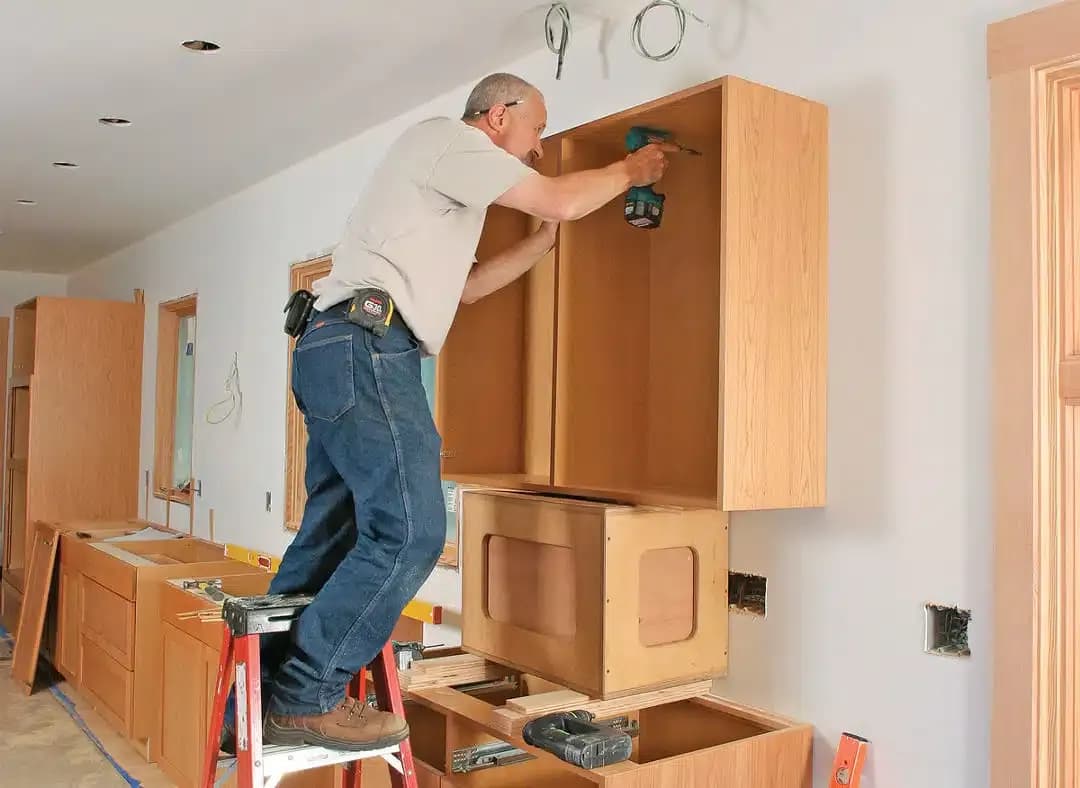
The Complete Guide to Cabinet Repair and Restoration in Singapore
Built-in cabinetry forms the functional core of your home. From the kitchen cabinets holding your heavy cookware to the floor-to-ceiling wardrobes organizing your clothes, these wooden structures undergo immense daily stress. Over the years, the constant opening, closing, and bearing of heavy loads cause hardware to fail and wood to weaken.
Many Singaporean homeowners panic when a kitchen cabinet door snaps off its hinges or a drawer refuses to close. Often, interior designers or salespeople will use this as an opportunity to convince you that the entire kitchen needs to be torn down and rebuilt.
However, in the vast majority of cases, a complete overhaul is entirely unnecessary. Professional cabinet repair can restore your furniture to pristine working condition for a fraction of the cost. In this guide, we will explore why cabinets fail, the components that can be fixed, and why repairing is the smartest financial decision you can make.
---
The Anatomy of Cabinet Failure
To understand how to fix a cabinet, you must first understand why it breaks. Built-in furniture in Singapore is typically subjected to three major destructive forces:
1. High Humidity and Moisture:
Most standard built-in cabinets are constructed using particleboard or MDF (Medium Density Fiberboard) to keep costs down. While these materials are affordable, they act like sponges. In a humid kitchen or bathroom environment, the wood core absorbs moisture from the air, causing the panels to swell, soften, and lose their structural integrity.
2. Overloading:
Cabinets are designed with specific weight limits. Stacking a massive collection of heavy ceramic plates on a single wide shelf will inevitably cause the wood to bow and sag in the middle. Similarly, overloading a drawer with heavy metal pots puts immense strain on the metal sliding tracks, causing the ball bearings to warp and eventually fail.